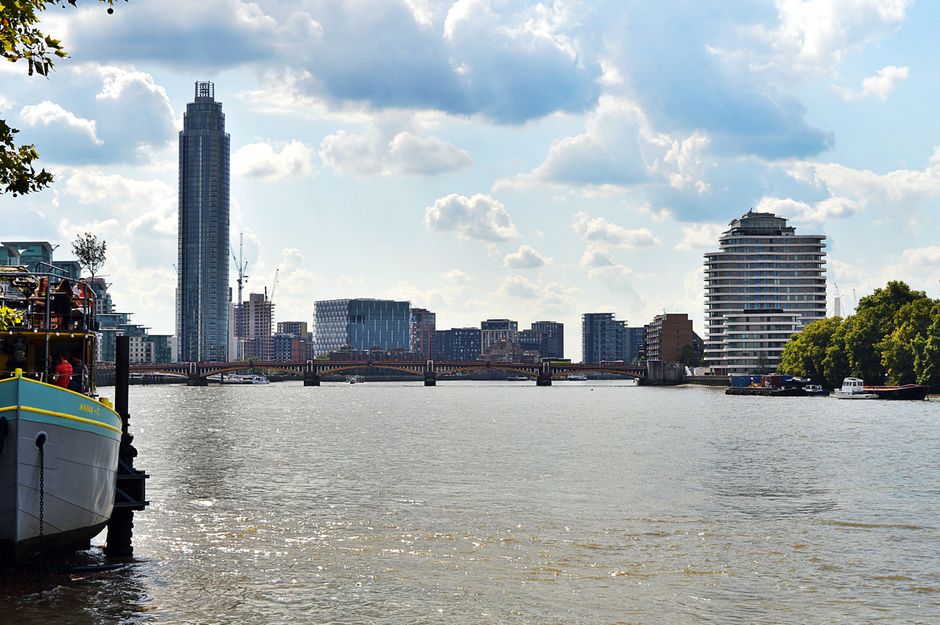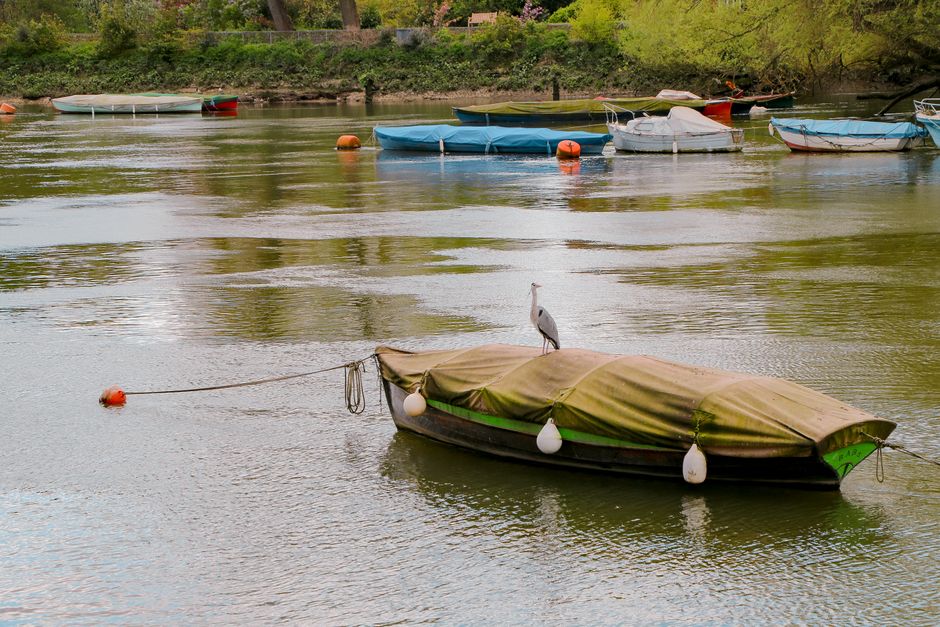
River Thames Petersham removals water side packing precautions: a practical guide for safer riverside moves
If you are planning a move near the River Thames in Petersham, the packing stage matters more than people often realise. River-facing homes, narrow access points, damp air, awkward parking, and last-minute lift-ins can all affect how safely your belongings travel. That is exactly why River Thames Petersham removals water side packing precautions deserve proper thought, not a rushed pile of boxes on moving day.
Truth be told, a riverside move can feel calm right up until the van arrives and the tide of real-life logistics kicks in. Are the boxes strong enough? Will the packaging handle a short wait outside by the water? Can fragile items survive stairs, thresholds, and a bit of drizzle? This guide walks through the practical side of it all, from packing materials and protection methods to local moving issues, compliance, and the common mistakes that catch people out.
You will find a clear step-by-step approach, a checklist, a comparison table, and realistic tips that fit the way moves in Petersham actually happen. No fluff. Just the stuff that keeps furniture, glassware, electronics, and your sanity in one piece.
Why River Thames Petersham removals water side packing precautions Matter
Petersham sits in one of those lovely London pockets where the river is part of daily life. That is charming, yes, but it also changes the moving picture. Water-side streets can bring different moisture levels, more exposure to weather while items are being loaded, and sometimes tighter manoeuvring around gardens, paths, or slipway-adjacent access. A box that is fine for a standard city move may not be ideal if it is being moved out through a damp side passage and then held on a pavement while the van is repositioned.
Good packing precautions reduce avoidable damage. That sounds obvious, but people still underestimate how much can go wrong in the final 20 minutes. A slightly soft box base. A bubble-wrapped lamp with the cord dangling loose. A wardrobe mirror packed upright without edge protection. One wobble, one bump, one surprise rain shower, and suddenly what seemed minor becomes expensive and annoying. Let's face it, moving day has enough pressure already.
There is also a practical time factor. Riverside and near-river moves often involve more waiting than expected: parking adjustments, narrow access, carrying items a little further than planned, or protecting items while doors stay open for longer. The packing approach should be built for that reality. In our experience, the safest packing is not the fanciest packing; it is the packing that handles movement, moisture, delay, and a bit of human clumsiness without drama.
Expert summary: if your move involves the Thames side of Petersham, think beyond "boxes and tape". Plan for weather, handling distance, fragile loads, and the small delays that happen in real life. That is where proper precautions pay off.
How River Thames Petersham removals water side packing precautions Works
The process is really a chain of protection. Each stage supports the next one: item sorting, packing choice, box construction, cushioning, sealing, labelling, and the order in which items are loaded. If one link is weak, the whole system suffers.
First, you decide what needs extra attention. Anything fragile, moisture-sensitive, valuable, awkwardly shaped, or heavy enough to crush other items deserves a specific packing plan. That might include kitchenware, framed artwork, books, electronics, winter coats, bedside lamps, and sentimental pieces that cannot simply be replaced. Then you choose materials that match the risk level. A picture frame needs corner guards and flat support. A television needs original packaging or a purpose-made alternative. A box of books needs smaller box sizes so the base does not fail halfway up the path.
Next comes the river-side factor. If the load is likely to spend time outside, even briefly, the outer packaging needs to cope with surface damp and variable weather. That means double-walled boxes for heavier items, waterproof or water-resistant wrapping where appropriate, and enough sealing tape to stop the bottom opening under pressure. If you have ever seen a box sag just as it is lifted, you already know the sort of thing to avoid.
Finally, the removals team or helpers should load items in a sensible order. Heavy, sturdy items first; fragile and moisture-sensitive items protected and separated; essentials easy to reach. A move near the river is not the place for random stacking. Calm order wins.
If you are using a broader moving service, you may also want to combine packing with packing and unpacking support so that delicate items are prepared by people who handle them all day, not just once every few years.
Key Benefits and Practical Advantages
Well-planned packing precautions do more than prevent breakages. They improve the whole moving experience. That is the honest upside.
- Less damage: the obvious one, but still the most valuable. Better cushioning and sealed boxes mean fewer cracked plates, scuffed furniture edges, and squashed contents.
- Faster loading: organised, labelled boxes move quicker. A van crew can place items in the right order instead of re-checking every box by hand.
- Reduced weather risk: riverside locations can expose belongings to drizzle, wind-blown moisture, or damp ground during staging.
- Better use of space: properly packed boxes stack more safely in the van, so there is less wasted room and less movement in transit.
- Lower stress: when you know your fragile items are packed properly, the day feels much less chaotic. You are not hovering every five minutes wondering whether the vase survived.
- Cleaner unpacking: labelled, grouped items are far easier to place in the new home, especially if you are moving into a property near Richmond Park or a riverside terrace with limited staging space.
There is a subtler advantage too: careful packing often reveals what you do not need to move. That helps with decluttering, which is handy if you are trying to keep the load manageable. If that part of the move feels overdue, the declutter-first approach to transitioning to your new home is worth a look before you seal the first box.
Who This Is For and When It Makes Sense
This kind of packing guidance is useful for a wide range of Petersham moves, but it becomes especially important in certain situations.
If you live close to the Thames, on a road where parking is awkward, or in a home with side access, steps, or a narrow hall, you will feel the difference immediately. Water-side packing precautions also make sense if you are moving expensive furniture, antiques, fragile artwork, musical instruments, glass tables, or anything that could be affected by damp or rough handling. A piano, for instance, needs more than just a blanket and optimism. There is a reason specialist handling exists.
Families moving out of larger houses, downsizers leaving long-term homes, and renters with tight time windows all benefit from the same principle: pack for the journey you actually have, not the one you wish you had. If you are doing a same-day or short-notice move, planning becomes even more important. The boxes have to be ready, readable, and durable.
This also matters for people using smaller vehicles or man and van arrangements. Less space means better packing discipline. The van may be brilliant, but it cannot compensate for a weak box base or an unwrapped mirror. If your move is on the smaller side, a man and van removals service can work well, provided the packing is properly organised in advance.
And if you are wondering whether this is overkill for a "short move", well, short moves can be deceptively messy. A 10-minute drive can still become a damaged item if the packaging is poor. The distance is not the only risk. It never was.
Step-by-Step Guidance
Here is the practical sequence that tends to work best for River Thames Petersham removals water side packing precautions.
1. Sort by fragility, value, and moisture sensitivity
Start with items that are delicate or difficult to replace. Glass, ceramics, framed art, electronics, books, documents, and upholstered items should be separated from general contents. Don't mix heavy and fragile items in the same box unless the box is specifically designed for it, because the pressure at the bottom is where problems start.
2. Choose the right box size
Smaller boxes are usually safer for heavy items like books or tools. Larger boxes suit light, bulky items such as bedding or cushions. Overfilling is one of the fastest ways to create an unsafe box. Underfilling is not ideal either because contents shift and collapse inward. You want a snug, stable fit.
3. Add moisture-aware wrapping
Use clean wrapping paper, bubble wrap, or protective blankets depending on the item. For sensitive goods, double-wrap the item and then protect the outside of the box with a strong seal. If a box may be carried through a damp outdoor area, a little extra barrier can make a big difference. Not glamorous, but effective.
4. Reinforce the base and seams
Always tape the bottom of the box well. A single strip in the centre is not enough for heavy contents. Use a proper cross-tape method or equivalent sturdy sealing pattern. It takes a minute longer and saves a lot of grief later. The same applies to top seams after packing.
5. Fill voids so items do not move
Empty space inside boxes is a hidden problem. It lets things knock together or sink into the corners. Use paper, soft wrapping, or filler materials to keep things still. A box should feel firm when you gently shake it. Not packed like concrete, just stable. There is a difference.
6. Label with more than a room name
Write the room and a simple content note such as "kitchen - glassware" or "bedroom - winter clothes". Add "fragile", "this side up", or "do not stack" where needed. Labels should help the people unloading, not just make the boxes look organised.
7. Prepare a weather-safe staging plan
If items may be waiting outside, place them under cover where possible and avoid leaving them on cold or wet ground. Keep a tarpaulin, waterproof sheet, or sturdy blanket available. If you can time the loading so that fragile items go in just before departure, do it. The less exposure, the better.
8. Load by stability and sensitivity
Once the van arrives, the loading order should protect the most vulnerable items. Heavier items low and secure. Fragiles away from crush points. Furniture wrapped and corner-protected. It is not mysterious, just disciplined.
If your move involves furniture that is awkward to dismantle or reassemble, it can be worth reading stairs, narrow doors and antiques in Petersham for a few relevant handling ideas. Odd-shaped items always seem to appear on moving day, don't they?
Expert Tips for Better Results
There are a few small habits that make a surprisingly big difference.
Use two layers of protection for the truly fragile stuff. For example, a framed picture may need corner guards plus a flat board or picture box. A lamp may need the shade removed, the base wrapped separately, and the flex secured so it does not snag.
Keep a "do not load last" category. Some items should travel near the end of packing but first in the van, or vice versa. Important documents, chargers, medication, kettle, snacks, and a change of clothes usually belong in a personal essentials bag. You will thank yourself at 8:40pm when the mugs are still somewhere in the back.
Protect against condensation. Riverside air can feel damp even when the weather is not dramatic. Electronics, books, and wooden surfaces benefit from dry wrapping and sealed boxes. Never pack items that are visibly damp. It sounds obvious, but people do it.
Take photos of valuable items before packing. Not for show. Just for condition records and peace of mind. That is especially useful for antiques, furniture, or items with pre-existing marks.
Do not use oversized boxes for heavy mixed loads. A big box full of random bits is a back injury waiting to happen. Keep the weight sensible and the contents grouped.
Choose the move window carefully. If possible, avoid the wettest or windiest times of day for your most exposed carrying. A slightly earlier or later slot can reduce exposure while items move between home and van. Simple thing, really.
If you are comparing service options, you may also want to review removal services alongside a more hands-on option like man with van. The best choice depends on how much packing support, lifting help, and vehicle space you actually need.
Common Mistakes to Avoid
Most packing failures are boringly predictable. That is the annoying part.
- Using weak boxes for heavy items: old supermarket boxes or damp cardboard can collapse at the worst time.
- Leaving too much empty space: movement inside the box causes breakage, especially for crockery and glass.
- Packing items while still slightly wet or dusty: moisture can transfer, and dust can scratch polished surfaces.
- Skipping corner protection: mirrors, pictures, and tabletops are vulnerable at the edges first, not the middle.
- Overstuffing bags: soft bags are useful, but they can squish under other items in transit.
- Poor labelling: if everything is just "misc", unpacking becomes a slow, annoying treasure hunt.
- Forgetting the route outside the home: a sheltered room indoors does not help if the hallway, path, or loading point is exposed.
- Mixing essentials with general boxes: basic things you need that first night should be easy to find.
One more thing: do not assume a move that is "only across Petersham" can be treated casually. A few extra protective minutes are usually cheaper than replacing damaged belongings. That is just the maths of it.
Tools, Resources and Recommendations
You do not need a warehouse full of materials, but the right kit helps.
- Double-walled boxes: better for books, kitchen items, and anything with real weight.
- Strong packing tape: essential for sealed bases and tops.
- Bubble wrap or paper wrap: useful for glass, ceramics, and small electrical items.
- Furniture blankets: ideal for sofas, tables, wardrobes, and bedside units.
- Corner protectors: especially helpful for mirrors, frames, and tabletops.
- Permanent marker labels: simple, clear marking saves time later.
- Straps and ties: useful for securing items in the van when appropriate.
- Dust sheets and waterproof covers: practical for outdoor staging or damp thresholds.
If you want professional help with the wrapping and box prep, packing and unpacking services can take pressure off the day and improve consistency across the whole move. That is often handy when family, work, and move-day logistics are all pulling in different directions.
For larger furniture loads, a removal van or a suitable moving van should be matched to the number of boxes, the shape of the furniture, and how much protective padding is needed. A van that is too small is one of those choices people regret around lunchtime.
Law, Compliance, Standards, or Best Practice
For most household moves, there is not a single special rulebook just for riverside packing. Still, there are sensible UK moving standards and legal duties to keep in mind.
First, anyone helping with the move should work safely, especially when lifting, carrying, loading, or handling awkward items. That means sensible weight distribution, good footwear, and no risky improvisation on stairs or wet ground. If you are hiring a removals provider, it is reasonable to ask about their insurance and safety approach. A reputable operator should be able to explain how they manage damage risk and manual handling. If you want to check what they say publicly, their insurance and safety information and health and safety policy are sensible places to start.
Second, parking and access in Petersham can require local awareness. Where permits, loading restrictions, or time limits apply, it is safer to plan early rather than assume there will be space. That planning does not belong in the box itself, but it absolutely affects how long items sit exposed outside the home. If your move overlaps with parking constraints, the local guidance in Richmond Council permits for Petersham removals explained and moving with limited parking in TW10 can help you think through the practical side.
Third, packaging waste should be handled responsibly. Cardboard, wrapping, and protective materials can often be reused or recycled, depending on condition and local options. If sustainability matters to you, the company's approach to recycling and sustainability is worth reviewing before move day.
Finally, if you are arranging any kind of removal quote, pricing transparency matters. Keep an eye on what is included: packing materials, stairs, waiting time, long carries, or special handling. The clearer the agreement, the fewer surprises later.
Options, Methods, or Comparison Table
Not every move needs the same level of protection. Here is a useful comparison to help you choose the right packing method for a Petersham riverside move.
| Packing method | Best for | Pros | Watch-outs |
|---|---|---|---|
| Basic standard boxes | Clothes, soft goods, lightweight household items | Cheap, quick, easy to label | Not ideal for moisture-sensitive or fragile items |
| Reinforced double-walled boxes | Books, kitchenware, mixed contents with moderate weight | Stronger base, better stacking, more reliable in transit | Slightly more expensive and heavier to carry |
| Wrapped and cushioned packing | Glass, ceramics, lamps, ornaments, electronics | Best protection against impact and movement | Takes more time and material |
| Furniture blankets and corner guards | Sofas, tables, wardrobes, mirrors | Good surface protection during loading and unloading | Needs correct fixing and careful handling |
| Professional packing service | Busy households, fragile loads, time-sensitive moves | Consistent, fast, less stress, more confidence | Extra cost, though often worth it for sensitive items |
If you are stuck between a basic DIY pack and a fuller service, ask yourself one question: what would cost more to replace if something went wrong? That usually answers it.
Case Study or Real-World Example
Here is a realistic example from the kind of move people make in Petersham all the time.
A couple moving from a riverside flat had a mix of kitchenware, books, a framed print collection, and a mid-century sideboard. The flat looked straightforward at first glance, but the hallway was narrow, the parking window was tight, and the loading point sat a little way from the entrance. On a dry day, this might have been manageable with rushed packing. But with a cloudy forecast and the possibility of surface damp, they chose to pack more carefully.
They used smaller boxes for books, double-walled boxes for crockery, and paper plus bubble wrap for the framed prints. The sideboard was wrapped in blankets and corner-protected. They also pre-labelled everything with room names and simple content notes, which made unloading noticeably smoother. Most helpful of all, they packed the essentials separately so they could find kettle, chargers, and bedding without tearing through six mystery boxes at 9pm.
The move was not flawless. A box had to wait outside for a few minutes longer than planned while the vehicle was repositioned. But because the packaging was sensible, the contents stayed dry and intact. That is the point, really. Good precautions do not eliminate every inconvenience. They stop inconveniences from becoming damage.
And yes, there was still that one mysterious box nobody wanted to admit packing. There always is.
Practical Checklist
Use this checklist the day before and on the morning of the move. It is simple, but it works.
- Choose strong boxes sized for the item weight.
- Reinforce all box bases with good tape.
- Wrap fragile items individually.
- Use corner guards for mirrors, pictures, and frames.
- Keep moisture-sensitive items sealed and dry.
- Label each box with room and contents.
- Mark fragile, heavy, or this-side-up boxes clearly.
- Keep essentials separate and easy to reach.
- Protect furniture with blankets or covers.
- Check the outside route for wet ground, steps, or tight turns.
- Confirm parking and access before loading starts.
- Leave a small kit for tape, marker, scissors, and wipes.
- Do a final walk-through for loose items, cables, and overlooked drawers.
Quick practical reminder: if a box feels heavy before it leaves the room, it is probably too heavy. Trust that instinct. Your back will be grateful.
Conclusion
River Thames Petersham removals water side packing precautions are really about making good decisions before the stress starts. If you think about moisture, loading distance, fragile items, and access conditions early, the move becomes calmer and safer. You do not need to over-engineer everything. You just need to pack with the environment in mind.
For many Petersham moves, that means stronger boxes, cleaner wrapping, better labels, and a little more planning around outdoor exposure and parking. It also means being realistic about what you can do yourself and where a professional service might save time, stress, or both. The best move is rarely the most dramatic one. It is the one where the boxes arrive intact, the furniture looks fine, and you still have energy left at the end of the day.
If you are comparing support options or planning a move near the river, take your time, ask sensible questions, and choose the level of help that fits your home and your schedule. A careful move has a quiet kind of success to it. Not flashy. Just solid. And that is often exactly what you want.
Get a free quote today and see how much you can save.
Frequently Asked Questions
What are the most important packing precautions for a riverside move in Petersham?
The biggest ones are strong box construction, moisture-aware wrapping, clear labelling, and careful loading. Riverside conditions can expose items to damp or longer waiting times outside, so the packaging needs to cope with that.
Do I need special boxes for River Thames Petersham removals water side packing precautions?
Not for every item, but double-walled boxes are a smart choice for heavier or more fragile contents. Standard boxes are fine for lighter soft goods, but they are not ideal for books, glassware, or anything that needs more support.
How do I protect belongings from damp near the river?
Wrap items in dry protective materials, keep them off wet ground, and avoid leaving boxes outside for longer than necessary. Electronics, documents, books, and wood finishes deserve extra attention if the air feels damp or the weather is changeable.
Should I hire a packing service for a move near the Thames?
If you have delicate items, limited time, or a lot of furniture, a packing service can be a very practical choice. It is especially useful when you want consistency and less last-minute stress. If the move is small and simple, DIY packing may be enough.
What items need the most care during a Petersham riverside move?
Glassware, mirrors, artwork, electronics, antiques, lamps, and anything with polished or delicate surfaces usually need the most protection. Books also need care because they are heavy and can split weak boxes.
How far in advance should I start packing?
Ideally, start with non-essential items at least a couple of weeks ahead if possible. That gives you time to sort, label, and protect fragile things properly instead of rushing the whole lot at once.
What is the biggest mistake people make with moving boxes?
Overloading them. A heavy box may seem efficient, but it is harder to carry, more likely to split, and more dangerous on stairs or tight paths. Smaller, well-packed boxes are usually the safer choice.
Are packing precautions different for a short local move?
Yes, slightly. Short moves can still involve bumps, damp, and awkward handling. People often underestimate them because the journey is brief. Distance does not remove the need for proper protection.
How should I label boxes for a riverside removals day?
Write the destination room, a brief content note, and any handling warning such as fragile, this side up, or do not stack. Helpful labels save time at unloading and reduce the risk of damage.
What if the loading point is exposed to weather?
Use covers, keep boxes staged under shelter where possible, and load fragile items last so they are outside for the shortest time. If rain is likely, plan a dry route and do not leave sensitive items on bare ground.
Can I reuse old boxes for this kind of move?
You can reuse good-quality boxes if they are clean, dry, and still firm. Avoid boxes that are softened by moisture, damaged at the seams, or already bent from previous use. For heavy items, newer stronger boxes are safer.
How do I know whether to choose man and van or a bigger removals service?
It depends on the volume, fragility, and access. A smaller move with limited furniture may suit a man and van approach, while larger homes or delicate loads may need more space and more hands. The right choice is the one that matches the job, not the headline price alone.
Should furniture be wrapped even for a local move in Petersham?
Yes, if you want to protect surfaces from scuffs and keep corners safe while going through doors, paths, or van loading points. Local moves are still physical moves, and furniture gets knocked around more than people expect.
Where can I compare moving support and pricing options?
Start with the company's pricing and quotes information and look closely at what is included. It is usually worth checking details about packing help, access issues, and any special handling before you commit.