Skip permits, double yellows and fines in Petersham (TW10)
Posted on 05/07/2026
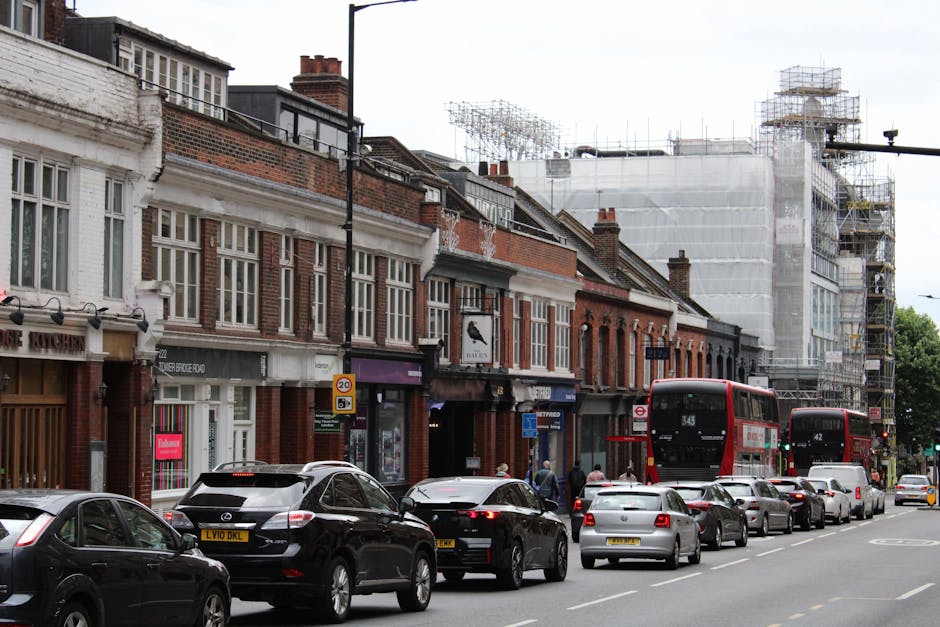
Skip permits, double yellows and fines in Petersham (TW10): what you need to know before the skip arrives
If you are planning a clean-out, renovation, garden job, or a move in Petersham, the parking side of the job can trip you up faster than the waste itself. Skip permits, double yellows and fines in Petersham (TW10) are the sort of details people only notice after a skip has already been booked, and by then the stress is real. One wrong placement, one missed restriction, or one assumption about street parking, and the whole day can start to unravel.
This guide breaks the topic down in plain English: when a permit is likely needed, why double yellow lines matter, how fines can happen, and what practical steps help you avoid expensive mistakes. It also covers sensible alternatives, local planning considerations, and the sort of checks that save time when you are juggling removal day, building work, or a last-minute clear-out. Truth be told, the easiest penalty to deal with is the one you never get.
Table of Contents
- Why it matters in Petersham (TW10)
- How skip permits, double yellows and fines work
- Key benefits and practical advantages
- Who needs this and when it makes sense
- Step-by-step guidance
- Expert tips for better results
- Common mistakes to avoid
- Tools, resources and recommendations
- Law, compliance, standards and best practice
- Options, methods and comparison table
- Case study or real-world example
- Practical checklist
- Conclusion
- Frequently asked questions
Why Skip permits, double yellows and fines in Petersham (TW10) Matters
Petersham is a lovely part of TW10, but it is not always forgiving when it comes to road space. Narrow residential streets, busy junctions, parked cars, and local access patterns can all make skip placement tricky. If a skip sits partly on the carriageway, or if a lorry needs to stop where waiting restrictions apply, the risk level rises quickly. That is where permit planning becomes more than a formality.
For many households and small businesses, the issue is not just "Can I put a skip here?" It is "Can I put it here legally, safely, and without causing myself a headache later?" Double yellow lines are especially sensitive because they signal no waiting at any time, even if you only think you will be there for ten minutes. A skip-related fine, or a parking enforcement issue during delivery or collection, can cost far more than the planning effort would have.
There is also a wider practical point. If a skip is positioned badly, it can block sightlines, frustrate neighbours, slow the job, and create knock-on delays. On a wet Monday morning, with a van waiting and the street already tight, those delays feel longer than they should. A little front-end planning is usually worth it.
How Skip permits, double yellows and fines in Petersham (TW10) Works
The basic idea is simple: if a skip is placed on private property, you usually avoid street-permit issues. If it is placed on public highway land, the local authority may require permission. In Petersham, that often means thinking carefully about whether the skip sits fully within a driveway, forecourt, or other private space, or whether part of it extends into the road.
Double yellow lines are a separate issue, but they often overlap with skip logistics. They indicate a waiting restriction that applies at all times unless a specific exemption or controlled arrangement exists. In practice, that means a skip lorry cannot simply stop there because it is convenient. The fact that the stop is brief does not automatically make it acceptable. And yes, enforcement can still bite even when a job feels temporary.
Fines typically arise in a few common ways:
- a skip is placed without the correct permission where one is required;
- a vehicle waits, loads, or unloads in a restricted bay or on double yellows beyond what is allowed;
- the skip overhangs the road or footway in a way that creates a hazard;
- lighting, cones, or signage are missing where they should be present;
- delivery and collection timings clash with parking restrictions or residents' access.
If you are arranging a move as well as a skip, the timing gets even more important. A removal van, a skip lorry, and neighbours' parked cars can create a small traffic puzzle. In that sense, this topic overlaps neatly with moving with limited parking in TW10 and Richmond Council permits for Petersham removals, because the same street constraints tend to shape both jobs.
Key Benefits and Practical Advantages
Thinking ahead about skip permits and waiting restrictions does more than keep you out of trouble. It makes the whole project smoother, calmer, and often cheaper in the long run. That sounds obvious, but people still skip the planning step when the house is full of boxes or the builders are due at 8am. Let's face it, nobody enjoys adding admin to a messy day.
- Less risk of enforcement action: proper positioning lowers the chance of penalties or avoidable disputes.
- Fewer delays: if the skip can be delivered and collected without parking issues, the job stays on schedule.
- Better neighbour relations: a well-placed skip is less likely to block access or annoy nearby residents.
- Safer loading: a skip that sits correctly is easier to use without awkward lifting or side access.
- Cleaner project flow: waste removal, packing, and moving can be sequenced properly instead of clashing.
There is also a practical benefit for anyone using a removals team. When the street plan is sorted, your movers can concentrate on the heavy lifting, not on shuffling vehicles around the block. If you are already thinking about a broader move, articles like stress-free relocation planning and the declutter-first approach fit neatly into this same way of working: clear the clutter, clear the access, and everything gets easier.
Who This Is For and When It Makes Sense
This topic is relevant to more people than you might think. It is not just for construction projects. In Petersham, skip permits and parking restrictions matter for ordinary domestic jobs too.
- Homeowners clearing out a property before sale, renovation, or letting.
- Renters who need to dispose of unwanted furniture or accumulated clutter before a move.
- Builders and tradespeople managing rubble, timber, packaging, or stripped-out materials.
- Landlords and agents dealing with end-of-tenancy clearances.
- Families doing a big declutter after years of stuff building up in the loft, shed, or spare room.
- Small businesses and offices needing waste removal during refurbishment or relocation.
It makes sense to think about permits before you book anything if your street is tight, if your property has no driveway, or if the lorry will need to wait on a road with restrictions. It also matters if you are arranging a same-day job. In those situations, a quiet local street can become surprisingly complicated in the space of one delivery van. For people under pressure, same-day moving availability in Petersham is often part of the wider picture.
Step-by-Step Guidance
If you want to avoid surprises, the safest route is to treat the skip as part of the access plan rather than an afterthought. Here is a straightforward way to handle it.
- Check where the skip will go. Private land is usually simplest. Public road space needs more care.
- Look at the street layout. Is there room for delivery access, neighbour parking, and safe loading?
- Identify any double yellow lines. Remember that these are not a casual stopping place.
- Decide whether a permit or alternative placement is needed. If the skip needs the road, the permit question comes first.
- Plan delivery and collection times. Avoid peak traffic where possible, and do not assume "quick drop-off" is always harmless.
- Prepare the area. Make space, move vehicles, and keep clear access for the lorry.
- Brief everyone involved. If neighbours, decorators, or removal staff are involved, tell them the plan.
- Keep an eye on the skip once it is in place. If it becomes full early or starts interfering with access, act quickly.
A small practical point: if you are combining waste removal with furniture movement, protect the pathway first. People often move one old sofa out while another load is being wheeled in. That is when doorframes start to look too narrow and tempers run a bit high. If that sounds familiar, innovative packing ideas and safe heavy-lifting guidance can help reduce the chaos.
Expert Tips for Better Results
In our experience, the best outcomes come from keeping the setup boring in the best possible way. No drama, no improvising on the day, no assuming a driver can just "nip in" and sort it. The less you ask the road to forgive, the better.
- Measure the available space properly. A skip that technically fits may still block access or overhang a boundary.
- Leave room for the lorry's angle of approach. The truck may need more space than the skip itself.
- Time the job around school runs, deliveries, and rush periods. Even a short stop can be a nuisance at the wrong time.
- Use clear communication with neighbours. A polite heads-up often prevents avoidable complaints.
- Choose the right size skip. Too small means extra collections; too big can be awkward to position. Neither is ideal.
- Think about the weather. Rain makes surfaces slippery, and damp cardboard adds weight surprisingly fast.
One little thing people miss: if the skip is intended for mixed waste, make sure you know what is allowed inside. Overfilling is a common issue too, and it can create collection problems even if the permit side is fine. That bit catches people out more than you would expect.
If you are arranging bulky furniture disposal alongside the skip, it can help to split the job into zones. For example, one room for keepers, one room for waste, one path for movers. A simple system reduces clutter and keeps the day from turning into a very expensive game of musical chairs. For larger items, furniture removals in Petersham can be a useful companion service to a skip-based clearance.

Common Mistakes to Avoid
A lot of penalties and delays come from the same handful of mistakes. Once you know them, they are easy to avoid. The annoying part is that they usually happen because people are in a hurry, not because they are careless by nature.
- Booking the skip before checking access. This is the big one.
- Assuming double yellow lines are fine for a "quick stop". They often are not.
- Leaving permit planning until the day before delivery. That is a recipe for stress.
- Forgetting about collection day restrictions. The skip has to come back out, not just in.
- Blocking pavements or driveways. Even temporary obstruction can create problems.
- Overfilling or loading banned materials. That can lead to extra charges and collection issues.
- Ignoring the needs of neighbours or shared access routes. In shared streets, small frictions become big ones quickly.
Another subtle mistake is treating all parking restrictions as the same. A bay, a single yellow line, a double yellow line, and a permit zone are not interchangeable. They each have different implications, and in a place like Petersham that distinction matters. If you need to compare access options for flats, houses, or tight streets, small flat moves and access times is a useful related read.
Tools, Resources and Recommendations
You do not need a huge toolkit for this topic, but a few practical items make the whole process smoother. Most of them are simple enough to sort in one go.
- Measuring tape: useful for checking skip placement, gate widths, and turning space.
- Basic site photos: helpful when discussing access with a provider or planner.
- Cones or temporary markers: can help protect a sensible space if used properly and safely.
- Gloves and sturdy shoes: especially if you are shifting waste by hand before or after delivery.
- Clear rubbish sacks and labels: make sorting and loading far less messy.
For many readers, the most useful "resource" is actually planning support. Articles on permit workarounds for limited parking and riverside parking tips in Petersham are especially relevant if your property sits on a tight street or near a trickier access point.
For broader move preparation, it also helps to organise storage, packing, and cleaning early. A surprisingly smooth move often starts with the boring bits: boxes labelled properly, sofas protected, and the old freezer emptied before collection day. If that sounds familiar, see freezer storage guidance, sofa storage tips, and thorough home cleaning advice.
Law, Compliance, Standards, or Best Practice
This is one of those topics where cautious wording matters. Parking restrictions and skip placement are governed by local rules and street-specific conditions, and those can vary. The safest approach is to treat anything on public highway space as permission-sensitive unless you have confirmed otherwise. Double yellow lines, in particular, should never be treated as a casual loading space simply because the stop is brief.
Best practice usually includes the following:
- placing the skip on private land where possible;
- checking access and restrictions before booking;
- keeping the skip safely contained and visible;
- avoiding obstruction of pavements, driveways, and junction sightlines;
- following any local instructions for delivery and collection;
- keeping communication clear if the job involves neighbours, tenants, contractors, or a removals team.
If the job involves a more complex property, such as a flat, office, or a home with stairs and narrow access, coordination becomes even more important. Those situations are often better handled with a wider moving plan rather than treating the skip as a stand-alone fix. For example, delicate moves with stairs and narrow doors shows how access issues tend to stack up in real life.
It is also sensible to look at the company or team you are using. Clear terms, safety awareness, and transparent pricing all matter when permits and parking are part of the service. Pages such as health and safety policy, insurance and safety, terms and conditions, and pricing and quotes are useful if you want to understand how a provider handles the practical side of a job.
Options, Methods, or Comparison Table
Not every Petersham job needs the same approach. Sometimes a skip is the cleanest solution. Sometimes it is overkill. Sometimes a man and van or a structured clearance makes more sense. Here is a simple comparison.
| Option | Best for | Pros | Watch-outs |
|---|---|---|---|
| Skip on private land | Driveways, forecourts, larger domestic clear-outs | Usually simplest; avoids highway permit issues | Needs enough space and proper access |
| Skip on the road | Properties with no off-street space | Useful when waste volume is too much for bins | Permit and parking sensitivity; fines if mishandled |
| Man and van clearance | Mixed household items, smaller removals, flexible jobs | Fast, less intrusive, often easier in tight streets | May need multiple trips for bulky waste |
| Combined removal and storage approach | Moves where not everything is leaving the property | Helps you separate keep, store, and dispose | Requires careful planning and labelling |
If you are unsure which route fits your situation, ask yourself a simple question: are you dealing mostly with waste, or mostly with live household contents? That distinction matters. Waste-heavy jobs lean toward skip solutions; furniture-heavy moves often need a more flexible removals setup. A practical moving guide like moving beds and mattresses safely can help you decide where the boundary lies.
Case Study or Real-World Example
Consider a typical Petersham terrace house undergoing a light renovation. The owners need to remove broken bathroom fittings, old timber, packaging, and a few pieces of furniture they no longer want. The property has no driveway. The road is narrow, and the nearest patch of open space sits near double yellow lines.
Instead of booking the skip first and hoping for the best, they map the access route, check the street parking pattern, and decide that the skip should go on private land borrowed from a rear access point. That avoids the permit issue entirely. They then book a man and van service for the furniture that is worth saving but too awkward to load into a skip. The larger items are moved first, the waste is loaded last, and the road stays clear.
What made the difference? Not luck. Just sequencing. They also left a proper walking route to the front door, kept tools out of the way, and told the neighbours what was happening. It was a fairly ordinary job, to be fair, but the planning turned it from stressful into manageable. No heroic effort, no drama, just a sensible afternoon.
That kind of coordination is especially helpful if you are combining waste removal with a house or flat move. A little order goes a long way, and the street is usually less patient than you are. If you need a deeper look at local moving constraints, moving into TW10 homes near Richmond Park offers useful context.
Practical Checklist
Use this before the skip arrives or before you commit to parking arrangements.
- Confirm whether the skip will sit on private or public land.
- Check for double yellow lines, loading restrictions, and access constraints.
- Measure the available space, including turning room for the lorry.
- Decide whether the job needs a permit or an alternative placement.
- Agree delivery and collection times that avoid busy street periods.
- Tell neighbours or other occupants what to expect.
- Clear the area of cars, bins, and loose obstructions.
- Sort waste into what can go in the skip and what cannot.
- Keep doors, footpaths, and access routes open.
- Have a backup plan if the first placement option becomes impractical.
Expert summary: if the street is tight, treat the skip as one part of a bigger access plan. Check the parking, check the route, check the timing, and then check it once more. That one extra minute can save a lot of grief later.
Get a free quote today and see how much you can save.
Conclusion
Skip permits, double yellows and fines in Petersham (TW10) sound like a narrow topic, but they sit right at the heart of smooth, stress-free local moving and clearance work. When the road plan is right, everything else tends to follow: the skip arrives, the waste goes out, the movers keep moving, and nobody ends the day with a letter, a penalty, or a mild headache from avoidable admin.
The big lesson is simple. Do not treat parking as a side issue. In Petersham, access is part of the project. Whether you are clearing a house, renovating a flat, or managing a mixed move, the right setup makes the job safer, calmer, and more efficient. And honestly, that is what most people want in the end.
If you plan well now, you will feel the difference on the day. A quiet street, a clear route, and a job that just gets done. Not perfect, maybe, but definitely easier.