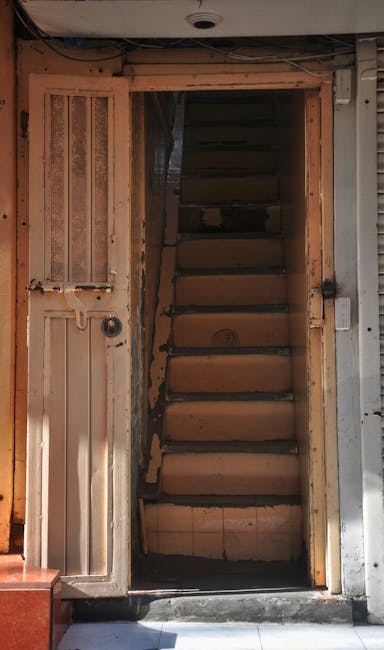
Stairs, narrow doors and antiques: Petersham delicate moves
Posted on 02/06/2026
If you have ever stood in a Petersham hallway with a heavy chest of drawers, a fragile side table, and a staircase that seems to get narrower halfway up, you will know the feeling. It is not just a move. It is a puzzle, and sometimes a mildly stressful one. Stairs, narrow doors and antiques: Petersham delicate moves are all about getting valuable, awkward, or sentimental items through tight spaces without damage, panic, or the dreaded "we nearly had it..." moment.
This guide explains how delicate moves work, why they matter, and what to do before the first item is lifted. You will find practical steps, common mistakes, a comparison of methods, and the kind of local know-how that helps in real Petersham homes, flats, and period properties. There is no drama for the sake of it here, just clear guidance you can actually use.
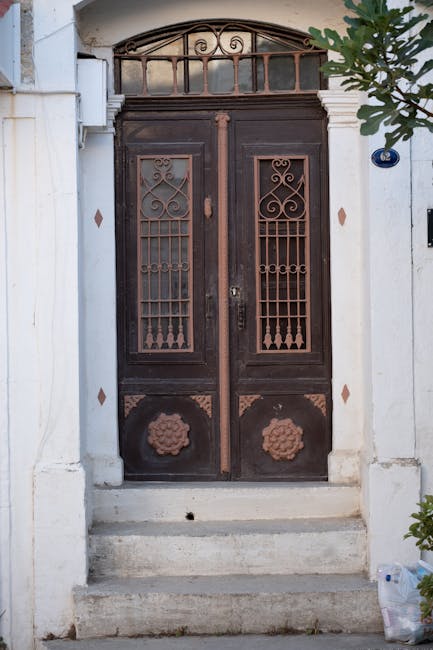
Why Stairs, narrow doors and antiques: Petersham delicate moves Matters
Delicate moves are not only about protecting expensive things. They are about protecting walls, bannisters, floors, door frames, and the people doing the carrying. In Petersham, where you will find a mix of period homes, compact flats, and properties with awkward access, that matters a lot. One bad turn on a landing can leave a scuff mark that you notice for months. One rushed lift can crack a mirror, chip a cabinet leg, or strain someone's back. Not ideal, to put it mildly.
Antiques create a different kind of pressure. They may be irreplaceable, or simply too fragile to treat like standard furniture. They can have loose joints, delicate veneers, decorative handles, glass panels, or finishes that scratch just by looking at them wrong. Stairs and narrow doors add the final challenge. Even a perfectly packed item may need a precise angle, a pause on the landing, or a temporary removal of legs or shelves to get through cleanly.
That is why careful planning pays off. It turns a reactive scramble into a controlled sequence. You are not guessing on the day. You are measuring, padding, choosing routes, and deciding in advance what should be carried, dismantled, wrapped, or stored separately. For many homes, the difference between a tense move and a smooth one is simply preparation.
If you are planning a bigger relocation, it can help to read broader guidance too, such as stress-free relocation planning and the declutter-first approach. Those ideas become even more valuable once delicate items are part of the equation.
How Stairs, narrow doors and antiques: Petersham delicate moves Works
At its core, the process is simple: assess, prepare, protect, lift, and place. The detail is where things get interesting. A delicate move begins with a route check. That means looking at the full journey, not just the front door. Hallway width, stair turns, ceiling height, banisters, radiator placement, and where the item needs to land all matter. A door that looks "fine" from one angle can become a headache when a sofa arm or antique wardrobe hits it broadside.
Next comes item preparation. This may involve removing drawers, taking off legs, securing doors, wrapping glass, or stabilising loose parts. Antiques often benefit from breathable wrapping layered with protective materials rather than being cocooned too tightly. You want support, not pressure. A Victorian sideboard, for example, can suffer if straps are overtightened or if a polished surface rubs against rough material for too long.
Then there is lifting technique. Delicate moves are rarely brute-force jobs. They are more about balance, communication, and rhythm. One person guides from the top of the stairs, another controls the base, and a third watches clearances if needed. Slow is good. Clumsy speed is not. A short pause to reset grip or adjust angle is often what saves the day.
Finally, the item is placed and checked. This sounds obvious, but it is often skipped. Once an antique or awkward piece reaches the room, check for fresh knocks, loose fixings, or hidden movement. Better to catch a wobble then than after it has been positioned on a polished floor and everyone has already exhaled.
For awkward household items, the same planning mindset applies to moving beds and mattresses or to specialist piano moving. Different item, same principle: know the route before you touch the load.
Key Benefits and Practical Advantages
People often assume delicate moving is only about preventing damage. That is the headline benefit, yes, but the practical advantages run deeper than that.
- Less damage risk: careful wrapping, measured lifting, and route planning reduce the chance of scratching, denting, or splitting.
- Better control on stairs: a planned carry is safer on tight landings and awkward turns.
- Less stress on move day: you are not improvising when the clock is already ticking.
- More confidence with heirlooms: sentimental pieces are handled in a way that respects their age and value.
- Cleaner property protection: banisters, walls, and flooring are less likely to take a hit.
- Faster decision-making: if a piece must be dismantled or moved by an alternative route, that call is already thought through.
There is also a human benefit that gets overlooked. When people know an item has been handled properly, they settle. The tension drops. The room feels less like a hazard course and more like a home being carefully moved from one place to another. That sounds a bit soft, maybe, but anyone who has watched a family antique go through a narrow doorway will recognise it straight away.
For the packing side of things, smart packing ideas can make a surprisingly big difference, and storage planning matters too. If an antique or delicate item cannot go straight into its new room, secure storage in Petersham may buy you the time you need.
Who This Is For and When It Makes Sense
This kind of move is for anyone with furniture or objects that do not forgive mistakes. That includes homeowners, renters, landlords, collectors, downsizers, and families handling inherited items. It also makes sense if your property has narrow access, steep stairs, old timber frames, or tricky room layouts. In Petersham, that is far more common than people expect.
You may need this approach if you are moving:
- an antique dresser, cabinet, or sideboard
- a mirror-fronted or glass-fronted piece
- a grandfather clock or similarly tall item
- a family heirloom with decorative detailing
- furniture with fixed joints that should not be forced apart
- items that need partial dismantling to clear a stair turn or narrow door
It also makes sense when time is tight but the item cannot be rushed. A same-day move can still be done carefully, though it needs sharper coordination. If that is the situation, same-day removals in Petersham may help, provided the access is understood early and the delicate items are flagged in advance.
One small but useful distinction: not every heavy item is a delicate item, and not every delicate item is especially heavy. A carved mirror frame can be light but fragile. A solid oak chest can be heavy but structurally stable. The plan changes depending on which of those you are dealing with. That bit trips people up more often than they admit.
Step-by-Step Guidance
1. Measure everything twice
Start with the item, then measure the route. Width of doors, height of stairwell turns, width of landings, and any awkward corners should all be noted. Do not rely on eye-balling it. Human judgement is useful, sure, but tape measure beats wishful thinking every time.
2. Photograph the item before moving
Take clear photos of existing marks, loose fittings, worn edges, and fragile sections. This helps you track the condition before and after the move. It is also handy for deciding how the piece should be wrapped and where the weak spots are. A quick phone photo can save a lot of debate later.
3. Empty and stabilise
Remove drawers, shelves, loose contents, and any detachable ornaments. Tape or tie back doors if appropriate. For antiques, be careful not to use adhesive directly on delicate finishes. If something is rattling now, it will rattle harder halfway down the stairs.
4. Choose the right protective layers
Wrap surfaces that scratch easily, then add padding where edges may knock walls or railings. Corners, handles, and carved details need special attention. A blanket alone may not be enough; often you need a layered approach. Soft inner protection, stronger outer protection, and careful securing in between.
5. Plan the carrying position
Decide which end goes first, where the most fragile side should face, and when the item should be tilted. For stairs, the angle of carry is crucial. Sometimes the item moves better at a slight tilt; sometimes it needs to stay upright. That depends on the object, not habit.
6. Clear the route properly
Move shoes, mats, table lamps, pet bowls, and anything else that might create a trip point. Open doors fully. Protect the floor if needed. On a lived-in move day, clutter seems to multiply. It's almost theatrical.
7. Communicate before each move
Use short instructions. "Hold." "Tilt." "Pause." "Down one step." Quiet confidence is better than lots of noise. In narrow spaces, the person leading the move should never be surprised by the weight shift behind them.
8. Recheck once in position
After the item is placed, inspect it slowly. Make sure doors still close, joints are stable, and nothing has twisted out of place. If it is antique furniture, give it a little time before loading shelves or drawers again. Fresh movement can reveal issues that were hidden before.
For the general moving day rhythm, it helps to combine this careful process with broader advice like safer heavy lifting methods and decluttering before the move. Less clutter means fewer rushed decisions, and fewer rushed decisions means fewer bruised knuckles. Simple, really.
Expert Tips for Better Results
Here is where the small differences matter. The move may look straightforward on paper, but in practice there are tiny choices that save you trouble.
- Use the right people for the lift. If an item needs a leader, a stabiliser, and a spotter, give it that. One person trying to do everything is a recipe for awkwardness.
- Protect banisters early. Do not wait until the first bump. Wrap vulnerable areas before the item comes near them.
- Keep one spare blanket or pad nearby. You will almost always need one more layer than you planned for.
- Take doors off only if it helps. Some people remove hardware too quickly and create extra work. Sometimes a slight angle and better padding is enough.
- Move the easiest piece first. That gives the team space, confidence, and a sense of how the route behaves.
- Watch for humidity and temperature changes. Antiques can react to environment shifts, especially if they are stored before or after transit.
And yes, ask yourself the obvious question: is the item actually worth forcing? If the answer is "probably not," stop and rethink. That one question can prevent a lot of expensive regret.
For example, if you are moving a sofa, the advice is not identical. Sofas often need their own storage and handling approach, so something like expert sofa storage tips can be useful context. Likewise, if you are moving a whole set of furniture, furniture removals in Petersham gives a broader service picture.
![Inside a residential property during a home relocation, a narrow staircase with wooden steps and ornate metal balustrades leads up from a dark hallway illuminated by natural light streaming through large, multi-pane sash windows. The windows show signs of age, with some panes obscured or foggy, and the staircase is positioned adjacent to a tall, glass-paned door. To the side, various packing materials such as cardboard boxes and wrapped antiques are visible, indicating ongoing packing and moving activities as part of furniture transport. The environment appears aged, with textured walls and a worn floor, typical of period homes preparing for a delicate removal process. The lighting highlights the contrast between the dim interior and the bright exterior, emphasizing the careful navigation required to move fragile items through narrow doorways and confined spaces, with professional movers sometimes using trolleys, straps, or blankets, as suggested by the context of [COMPANY_NAME] and their delicate moves service.](/pub/blogphoto/stairs-narrow-doors-and-antiques-petersham-delicate-moves2.jpg)
Common Mistakes to Avoid
Delicate moves tend to go wrong in predictable ways. The good news is that most of them are avoidable.
- Skipping measurements. People guess the door width, then wonder why the antique chest is stuck at a funny angle.
- Using too much force. Pushing harder rarely solves a spacing problem. It usually makes the damage worse.
- Ignoring the landing. The stair bend or landing turn is often the hardest part, not the front door.
- Wrapping too tightly. Over-compression can mark finishes or strain joints.
- Not protecting the route. A careful item can still hit an unprotected wall.
- Forgetting to clear contents. Drawers, glass shelves, and loose fittings become hazards very quickly.
- Leaving the move to the last minute. Rushed delicate moves usually feel manageable for about ten minutes. Then the staircase appears, and everything changes.
One more thing: do not assume all old furniture is fragile in the same way. Some antiques are sturdy but vulnerable in specific spots. Others look robust and then surprise you with a loose panel or brittle veneer. That is why a calm inspection is worth the time.
If the move is happening from a flat with tight access, you may also want to think about flat removals in Petersham and, in certain cases, small-flat access timing guidance. Tiny details, but they can shape the whole day.
Tools, Resources and Recommendations
You do not need a warehouse full of kit, but the right tools help a great deal. Most delicate moves benefit from a modest, sensible setup rather than an overcomplicated one.
| Tool or resource | What it helps with | Why it matters |
|---|---|---|
| Measuring tape | Doorways, stair turns, item dimensions | Prevents avoidable access problems |
| Furniture blankets | Surface protection and cushioning | Helps reduce knocks and scrapes |
| Straps and ties | Securing drawers, doors, and loose parts | Stops movement during lifting |
| Corner protectors | Fragile edges and vulnerable corners | Useful in tight stairwells and hallways |
| Floor protection | Hallways, thresholds, landing areas | Protects the home as well as the item |
| Inventory photos | Condition checks and item tracking | Useful for planning and peace of mind |
Sometimes the most useful resource is not a gadget, but a sequence. Measure first. Clear the route. Wrap the vulnerable parts. Lift with communication. Recheck at the end. That sequence is boring in the best possible way.
If you are deciding how to organise the move overall, packing ideas for easier moves and thorough home cleaning before moving out are practical supporting reads. Clean, clear, well-packed spaces tend to make delicate work feel less chaotic.
Law, Compliance, Standards, or Best Practice
For delicate moves, the most relevant point is not a long list of legal jargon. It is basic duty of care, safe handling, and sensible planning. In the UK, removal work is generally expected to be carried out with appropriate care for people, property, and access routes. That means avoiding unsafe lifting, protecting surfaces, and not putting workers or residents at unnecessary risk.
Insurance is also worth checking. A reputable removals provider should be clear about what is covered, what is excluded, and what preparation is expected from the customer. Do not assume every antique has the same level of cover by default. Ask the question early, because the answer matters more than people think.
Best practice usually includes:
- clear condition checks before handling
- appropriate manual handling techniques
- route planning before the move begins
- protective wrapping and property protection
- transparent communication about fragile or high-value items
Health and safety matters too. If lifting feels unsafe, it probably is. There is no medal for taking a bad risk. Better to pause and choose a safer method than to pretend strength will solve geometry. It won't.
When you are comparing providers or planning the move, pages like insurance and safety, health and safety policy, and terms and conditions can help you understand what to expect before the day arrives.
Options, Methods, or Comparison Table
Not every delicate move needs the same level of intervention. The right method depends on item type, access, and how much risk you are comfortable carrying, literally and otherwise.
| Method | Best for | Strengths | Trade-offs |
|---|---|---|---|
| DIY with helpers | Smaller fragile items, straightforward access | Cost-effective, flexible | Higher risk if experience is limited |
| Hybrid support | Mixed items, one or two antiques, awkward staircases | Balances cost and caution | Still needs good coordination |
| Professional delicate move | High-value antiques, tight access, complex layouts | Stronger planning, better equipment, more experience | Costs more than DIY |
In real life, many Petersham moves sit somewhere between DIY and full professional help. You may carry the lighter items yourself but bring in support for the antique wardrobe, the mirror, or the staircase-heavy pieces. That middle ground is often sensible. It is also the one people forget to consider.
If you are weighing a broader move, the overview pages for man and van in Petersham, man with a van in Petersham, and removal services in Petersham can help you judge the support level that fits your situation. For larger or more complex homes, house removals in Petersham may be the better fit.
Case Study or Real-World Example
Here is a simple real-world scenario. A family in Petersham needs to move a late-1800s walnut cabinet from an upstairs room into a van parked outside. The cabinet is not especially huge, but the staircase turns sharply at the landing, the hallway is narrow, and the cabinet has a decorative top section that cannot be knocked.
Instead of trying to carry it in one piece and hoping for the best, the team measures the route first. They remove the top section, bag the fittings, label everything clearly, and wrap the polished surfaces in layered protection. The bannister is padded before the item comes near it. One person leads from above, another supports from below, and a third watches the corner at the landing. There is a pause halfway through. Not a failure. Just a pause. The angle is adjusted and the cabinet passes cleanly.
What made the difference? Planning, not power. The move did not depend on heroic lifting. It depended on patience, measurements, and making the route work for the item rather than the other way around.
That same idea applies to many Petersham properties near busy roads or awkward entrances. For example, if access or timing is constrained, local guidance like riverside parking and access tips, planning a move into TW10 homes, or same-day availability explained can be very useful background.
Practical Checklist
- Measure every doorway, landing, and stair turn the item must pass through.
- Photograph the item before any wrapping or dismantling.
- Remove loose contents, shelves, handles, or detachable parts where appropriate.
- Decide which pieces need specialist protection or separate handling.
- Pad walls, banisters, floors, and thresholds on the route.
- Assign one person to lead the lift and one to watch clearances.
- Use calm, simple communication during the carry.
- Keep extra blankets, tape, and ties close by.
- Check the item again once it is in position.
- Confirm insurance and responsibility before the move begins.
If you can tick most of those boxes, you are already in a much safer place than the average rushed move. And honestly, that small bit of structure tends to save more time than it costs.
Conclusion
Stairs, narrow doors and antiques: Petersham delicate moves are less about strength and more about judgement. The best outcomes come from careful measurements, patient handling, and a clear plan for awkward access. Whether you are moving one heirloom or several fragile pieces, the same principles apply: protect the route, respect the item, and do not rush the difficult bits.
In Petersham, where homes can be charming and access can be... a little character-building, that approach makes all the difference. It keeps valuable items safer, reduces stress, and helps the whole move feel more controlled. A bit of planning goes a long way. More than people expect, actually.
Get a free quote today and see how much you can save.
When you are ready to move carefully and confidently, a thoughtful plan is still the best tool in the room. The rest is just good timing and a steady hand.