Moving with limited parking in TW10: permit workarounds
Posted on 10/06/2026
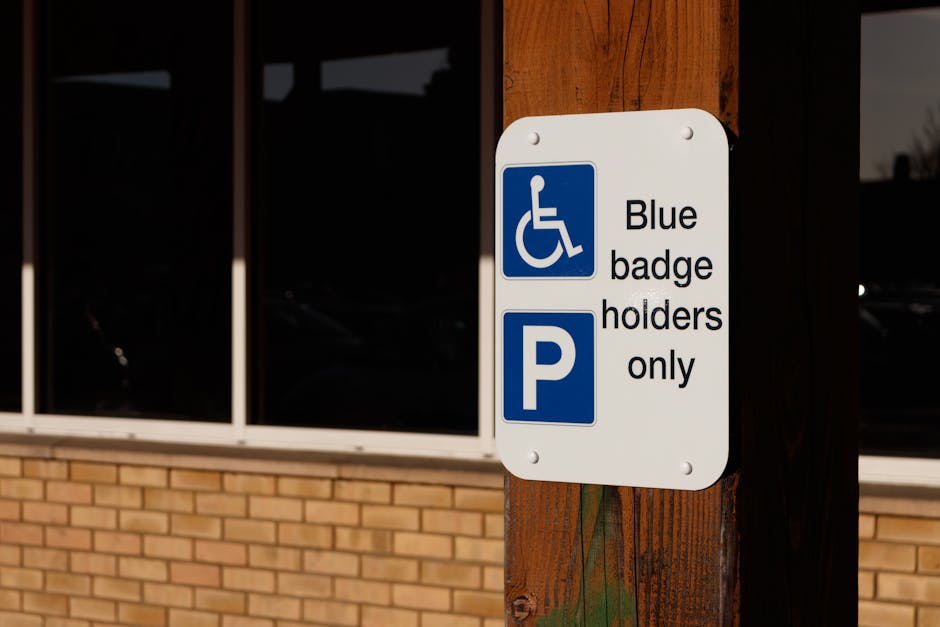
Moving house is stressful enough without arriving to find the road outside your TW10 address packed solid, double-parked, or simply too tight for a van to wait. That is exactly where Moving with limited parking in TW10: permit workarounds becomes a real planning issue, not just a nuisance. In Petersham, Richmond and the nearby TW10 streets, parking can turn an otherwise straightforward move into a slow, stop-start shuffle if you do not think ahead.
The good news? You usually have options. Some are official, some are practical, and some are the kind of sensible workaround that makes a move run smoothly without drama. This guide walks through the reality of parking limits in TW10, what permit workarounds can look like, and how to keep your move legal, efficient, and far less chaotic.
Why Moving with limited parking in TW10: permit workarounds Matters
TW10 is one of those areas where the streets can look charming on a bright morning and then become awkward the moment a removal van turns up. Narrow residential roads, parked cars, bay restrictions, school-run traffic, and residents' permits all add friction. If your van cannot get close to the front door, every box gets heavier, every sofa becomes harder, and every minute starts to matter.
Parking is not just a convenience issue. It affects labour time, safety, loading distance, and whether your move stays on schedule. A van parked too far away can mean more carrying, more risk of knocks, and more chance of expensive delays. In a local move, that can be the difference between a calm morning and a very long one.
There is also a trust factor. If you have ever watched a crew trying to keep a mattress dry while dodging traffic and a tight kerb, you will know why planning matters. It is not glamorous. But it is the bit that protects your belongings and your sanity.
For some local moves, parking strategy matters as much as packing. If you are also trying to streamline the load itself, our guide to innovative packing ideas to make your move easier can help cut the number of trips you need.
How Moving with limited parking in TW10: permit workarounds Works
At a practical level, a permit workaround is any lawful, planned method that allows a removal vehicle to stop, load, or unload near the property without creating parking chaos. Sometimes that means arranging a formal parking suspension or dispensation. Sometimes it means using a nearby bay, a short-term loading spot, or a timed arrival that avoids the worst pressure on the road.
The exact route depends on the street layout, the council controls in place, and whether the move is for a house, flat, or office. In real life, there is rarely one perfect answer. You work with what the road gives you. That is the honest version.
Common workarounds include:
- Pre-booked parking permission where local controls allow it.
- Temporary loading arrangements using lawful stopping windows.
- Using a smaller vehicle if a larger van cannot reasonably access the street.
- Splitting the move into timed sections so the van only needs a short stop.
- Off-street transfer points where items are moved from the property to the vehicle in a controlled way.
In some cases, the workaround is simple planning rather than paperwork. For example, if you are moving from a flat with no driveway, you might choose an early slot before the road fills up. If you are moving near the river or on a tight cul-de-sac, a smaller van and a second helper can make a bigger difference than a heroic attempt to squeeze in a larger vehicle.
There is a useful parallel here with riverside moves and parking tips, because access problems often have more to do with the street than the property itself.
Key Benefits and Practical Advantages
When you handle parking properly, the benefits show up immediately. You save time, keep the move safer, and reduce the odds of that unpleasant last-minute scramble where everyone is carrying boxes while someone else is trying to find a legal parking space. Not ideal, honestly.
- Shorter carrying distances: Fewer metres between the front door and the van means less fatigue and lower damage risk.
- Cleaner timing: The crew can work to a plan instead of constantly adapting to blocked access.
- Better protection for furniture: Large items like wardrobes, sofas, and mattresses are less likely to be scraped or dropped.
- Less stress for neighbours: A tidy loading plan is simply more considerate on busy TW10 streets.
- Improved safety: Fewer improvised lifts across roads and pavements means fewer accidents.
There is another benefit people often miss: morale. When the vehicle is where it needs to be, the whole day feels more manageable. You are not starting with a battle. That matters more than people think.
If the move is part of a larger relocation that feels overwhelming, it can help to pair parking planning with a calmer overall moving strategy. The article unlock the secrets to stress-free relocation fits nicely here, because the best parking solution is usually part of a broader plan.
Who This Is For and When It Makes Sense
Limited-parking planning is especially useful if any of the following apply:
- You are moving from a terraced street, apartment block, or narrow residential road in TW10.
- Your property has no driveway, forecourt, or allocated loading area.
- You are moving bulky furniture, fragile items, or multiple rooms at once.
- You need the van to stay close for health, safety, or time reasons.
- You are coordinating a same-day or time-sensitive move.
It also makes sense for student moves, flat moves, office clear-outs, and smaller relocations where speed is more important than volume. A lot of people assume parking planning is only for big house removals. Not really. A one-bedroom flat move can be trickier if the access is tight and the street is busy.
Sometimes the best option is to keep the move intentionally lean. Declutter first, reduce the volume, and make the parking problem smaller. That is why the declutter-first approach to moving can be so effective in compact TW10 streets.
Step-by-Step Guidance
Here is a practical way to tackle parking workarounds without overcomplicating things.
- Check the access outside both addresses. Look for yellow lines, resident bays, pay-and-display bays, single-file streets, school restrictions, and any obvious pinch points.
- Measure the likely carry distance. A few metres is fine. A long carry across a busy road is something else entirely.
- Decide what size vehicle really fits. Bigger is not always better if the van cannot park close enough to be useful.
- Plan the load order. Keep the first items out of the property easy to grab so you do not waste time hunting for essentials.
- Arrange permission early if needed. If any formal parking arrangement is required, leave room for admin and confirmation. Last-minute requests tend to be fragile. Very fragile.
- Set a realistic arrival window. Avoid the busiest school-run or commuter periods where possible.
- Create a backup plan. If the spot is taken, know the nearest alternative location before moving day starts.
- Brief everyone involved. Helpers should know where to park, where to stand, and which route to use for carrying boxes.
One useful detail: if you are moving fragile or awkward items, parking convenience becomes even more important. A piano, for example, should not be walked half the street if avoidable. For that sort of load, it is worth reading the challenges of piano moving before you make assumptions about what is practical.
And if you are dealing with a flat on stairs, a mattress, or a heavy sofa, the parking plan needs to be aligned with the item handling plan. Otherwise you solve one problem and create another. That happens all the time.
Expert Tips for Better Results
A few field-tested habits can save a lot of trouble on the day.
- Book the earliest sensible slot. Streets are usually calmer early on, and neighbours are less likely to have filled every space.
- Use a smaller van when access is tight. A compact van parked legally close often beats a larger vehicle stuck two roads away.
- Pre-stage items by the front door. That includes dismantled furniture, boxed items, and anything you know will be awkward.
- Keep the route clear. Parked bikes, bins, and loose planters can trip people up more than you'd expect.
- Protect key surfaces before you start. Door frames, bannisters, and tight corners take a beating on parking-constrained moves.
To be fair, the best workaround is often boring: less stuff, better timing, and a van that can actually stop where you need it. The glamorous version sounds better, but the boring version works.
For awkward furniture, it also helps to think about the item itself, not just the parking. A guide like stairs, narrow doors and delicate moves is a useful reminder that access inside the building matters just as much as access outside it.
Common Mistakes to Avoid
Most parking problems are avoidable, which is the frustrating part. The same few mistakes tend to crop up again and again.
- Assuming there will be space: TW10 streets can look open from one angle and completely full ten minutes later.
- Leaving permission until the day before: That is a recipe for stress, especially if you need any formal arrangement.
- Choosing a vehicle that is too large: A bigger van is not helpful if it blocks the road or cannot legally stop close enough.
- Ignoring loading distance: The further the carry, the more time and labour the move needs.
- Forgetting about neighbour impact: Blocking a driveway or communal access point is the kind of thing people remember.
- Not checking the property side of the move: Tight stairwells, steep steps, and awkward door frames can slow the whole day down.
There is also a safety point here. People sometimes try to "just make it work" by carrying too much too far. That is when backs complain, corners get clipped, and everyone ends up moving slower anyway. If heavy lifting is part of the picture, take a look at safe heavy lifting guidance before improvising.
Tools, Resources and Recommendations
You do not need a huge kit to manage a limited-parking move well, but the right basics help a lot.
- Furniture blankets and wraps: Useful when the van is a short distance away and items need extra protection during multiple carries.
- Strong tape and clear labels: Speed matters when the van is waiting and the road is narrow.
- Stackable boxes: Better for quick loading than oddly shaped bags or loose items.
- Doorway protectors or covers: Handy if items are being moved in and out frequently.
- Gloves and grip aids: Small detail, but they make a difference when you are carrying in less-than-ideal conditions.
For item prep, a smart packing approach can save more time than most people expect. See packing ideas that make moving easier for practical ways to cut unnecessary handling.
If you need extra space between moving dates, storage can also be part of the workaround. That is especially helpful if parking access is only manageable on one day but your handover dates do not line up neatly. In those cases, storage options can reduce pressure and make the loading day much simpler.
Law, Compliance, Standards, or Best Practice
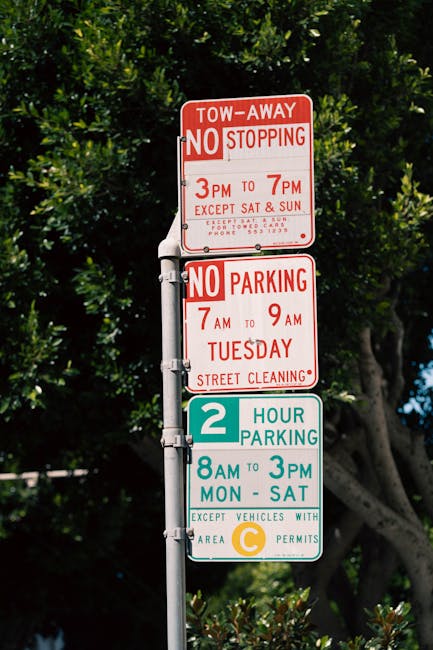
When parking is tight, it is tempting to focus only on convenience. But compliance matters. You should always work within the parking rules that apply to the street, the bay, or the loading area. That means checking whether a space is resident-only, time-limited, suspended, or protected by another restriction. If there is any uncertainty, it is better to verify than to gamble and hope for the best.
From a moving perspective, best practice is simple: do not block driveways, do not park in a way that creates danger, and do not assume a van can stop wherever it is easiest for the crew. Safe access is part of a professional move. It is also part of being a considerate neighbour.
For anyone hiring help, it is sensible to work with a team that pays attention to safety planning, insurance, and clear terms. The relevant pages on insurance and safety and health and safety policy are worth reviewing if you want reassurance about how a move is managed.
It is also reasonable to ask about timing, cancellation, and what happens if parking is tighter than expected. Good planning should not rely on luck. Truth be told, luck is a poor logistics strategy.
Options, Methods, or Comparison Table
Different parking workarounds suit different move types. This simple comparison may help you choose the most sensible route.
| Method | Best for | Pros | Trade-offs |
|---|---|---|---|
| Formal parking permission | Moves needing a reserved or controlled stop | Clearer access, less uncertainty | Needs planning and may take time |
| Smaller vehicle | Narrow roads, dense residential streets | Easier to position, often more flexible | May require more trips if volume is large |
| Early-morning loading | Busy roads with daytime congestion | Better chance of nearby space | Depends on neighbour and building access times |
| Off-street transfer point | Where direct kerbside access is impossible | Reduces pressure on the immediate street | Can increase handling distance |
| Split-load move | Smaller homes or time-sensitive relocations | Lower congestion around the property | Needs careful sequencing |
There is no one "best" option. The right answer depends on the road, the property, and the amount you are moving. Sometimes the smartest move is to combine two methods rather than force one approach to do everything.
Case Study or Real-World Example
Picture a typical TW10 flat move on a side street off a busier road. The property is on an upper floor, there is no private parking, and the nearest unrestricted space is a little way down the road. The first instinct might be to turn up with a large van and hope for the best. That usually turns into a slow, awkward load.
A better plan would be this: arrive early, use a smaller vehicle that can stop legally and safely closer to the building, pre-pack all boxes the night before, and keep the path from door to vehicle completely clear. If the move includes a sofa or bed frame, dismantle it in advance so the load runs in segments rather than as one huge wrestling match.
In that kind of scenario, the parking workaround is not a clever trick. It is simply the thing that makes the rest of the move possible. Less friction, fewer laps, less noise, and much less of that "who parked here?" feeling that nobody enjoys.
We see the same pattern in smaller home moves too, which is why guides like small flat moves and access times are so relevant to local planning.
Practical Checklist
Use this checklist to keep things steady before moving day.
- Confirm the parking situation at both addresses.
- Identify any bay restrictions, yellow lines, or narrow access points.
- Choose the smallest practical vehicle for the route.
- Plan the arrival window around local traffic pressure.
- Prepare boxes and furniture so loading is fast.
- Keep essential items easy to reach.
- Protect walls, doors, and bannisters.
- Arrange backup parking if the first option is taken.
- Brief anyone helping with the move.
- Leave a little breathing room in the schedule. Always useful.
If your move also involves beds, mattresses, or awkward oversized pieces, give yourself extra time. Those items look simple until you are carrying them in a narrow road while everyone else is trying to pass. The article on moving beds and mattresses is a good companion read for that exact problem.
Get a free quote today and see how much you can save.
Conclusion
Moving with limited parking in TW10 is rarely about one perfect solution. It is about choosing the smartest workable option for the street, the vehicle, and the property you are dealing with. Once you accept that, the whole process becomes easier to manage. You stop fighting the road and start planning around it.
The best results usually come from a combination of early planning, sensible vehicle choice, careful load preparation, and a realistic backup plan. That might not sound exciting, but it works. And on moving day, working beats guessing every time.
If you treat parking as part of the move rather than an afterthought, you give yourself a calmer start, a safer load, and a much better chance of finishing on time. That is a proper win, really.
And when the last box is in place and the van door shuts with a final clunk, it is a relief you can feel in your shoulders. That quiet moment is worth the planning.